Paver Sealing Is It Right for You?
What Sealing Does, What It Doesn’t, and Why It Matters
Paver sealing can be a beautiful finishing touch when it’s done for the right reasons and under the right conditions. At The Pressure Wash Company, we offer paver sealing as an optional, final phase of paver restoration, not as a default upsell.
Before deciding whether sealing is right for you, it’s important to truly understand what sealing does, what it requires, and the long-term commitment that comes with it.
What Paver Sealing Actually Does
Paver sealing is primarily an aesthetic and protective enhancement. When applied correctly, a high-quality wet-look sealer can:
- Restore and enhance faded paver color.
- Provide joint stabilization.
- Help inhibit mold and organic growth.
- Offer UV protection against sun bleaching.
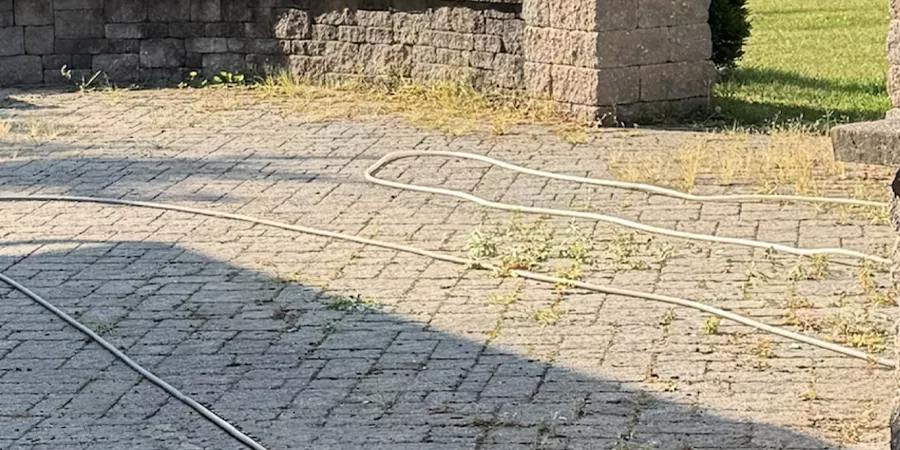
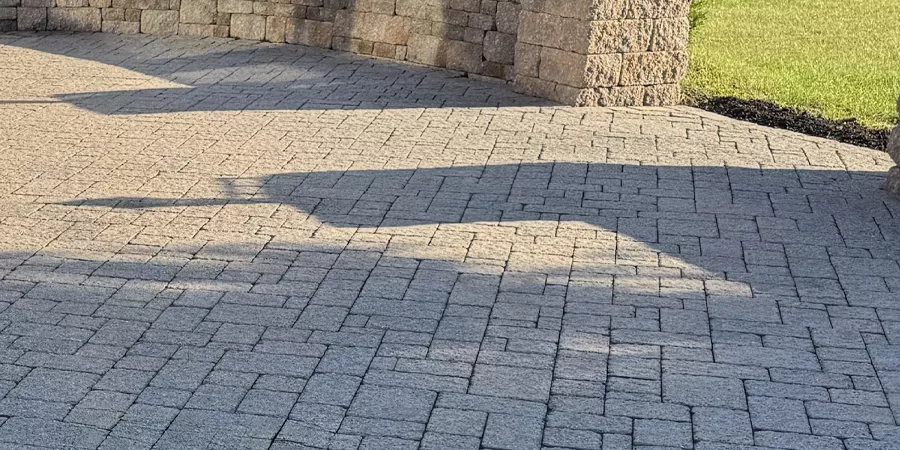
We regularly work on pavers that are 5 to 30 years old, and in many cases, sealing is the only way to bring that original color back to life. When done correctly, the results can be dramatic many homeowners tell us their outdoor spaces look better than when they were first installed. And honestly? Seeing that transformation never gets old
The Part Most Companies Don’t Tell You Sealing is not permanent.
A wet-look paver sealer typically lasts 3–5 years, depending on sun exposure, foot traffic, drainage, and environmental conditions. That means sealing is an ongoing investment, not a one-time fix.
To maintain sealed pavers properly, the process generally involves:
- Removing the existing sealer.
- Replacing joint sand.
- Installing new polymeric sand.
- Applying a fresh coat of sealer.
If you’re not comfortable with that long-term maintenance cycle, sealing may not be the right choice for you and that’s okay.
When We Will (and Will Not) Seal Pavers
Sealing is the last thing we do — and only after everything else is right.We will not seal pavers if we believe the results won’t hold or will cause ongoing issues. That includes situations such as:
- Poor drainage or standing water.
- Pavers set at the lowest point of the property.
- Improper pitch or water runoff toward the surface.
- No functional gutter system or drainage control.
- Consistently damp or shaded conditions.
- Obvious water pooling or “birdbath” areas.
We are not magicians. Water always wins.
If conditions are not favorable, sealing can lead to whitening, clouding, or premature failure and that’s not something we’re willing to put our name on.
Our Philosophy on Sealing
We won’t sell you a service we don’t believe in for your property.
If we feel sealing will lead to dissatisfaction, repeated callbacks, or unrealistic expectations, we will recommend against it even if that means:
- Cleaning and sanding only.
- Or encouraging you to hire someone else to perform the sealing.
There are plenty of contractors who will seal anything, take your money, and disappear.That will never be us. We’d rather tell you the truth upfront than deal with frustration later on both sides.
Our Sealer & Why We Use It
When sealing is appropriate, we only use fast-drying, solvent-based acrylic sealers that are:
- Joint-stabilizing
- Mold-inhibiting
- UV-protective
- Low VOC
These sealers are among the best in the industry and just as importantly, we know:
- When to apply them.
- How to apply them.
- How to correct issues if they arise.
- And how to remove them properly when it’s time for a new cycle.
We also seal natural stone, stone veneers, bluestone, slate, fieldstone, and concrete when conditions allow and expectations are aligned.
Weather Matters (A Lot)
Paver sealing requires near-perfect weather:
- Dry conditions
- Proper surface temperatures.
- No rain during curing.
- Adequate drying time.
Here in the Lehigh Valley, that window isn’t always easy to come by and if you’re reading this, you probably already know exactly what we mean. Because of this, sealing is always scheduled carefully and never rushed.
About Hold Harmless Agreements
In certain situations — especially where drainage, weather exposure, or site conditions introduce variables we cannot control we may require a hold harmless agreement to protect against unforeseen issues. If we feel sealing will perform without concern, this form isn’t needed. But experience has taught us that sometimes customers want a service despite professional recommendations and we need to protect both parties when that happens.
Why We Still Love Sealing
When sealing is done for the right reasons, under the right conditions, it’s incredibly rewarding.
Watching faded pavers and stone come back to life sometimes looking better than they did 15–20 years ago never gets old. The reactions, the smiles, the genuine excitement homeowners feel when they see their space transformed… if we could bottle that feeling, we probably would.But we’re not here to upsell you.We’re here for results that last.
So… Is Paver Sealing Right for You?
If your pavers look bleached, dull, or lifeless and the conditions are right sealing may be an excellent option. If not, we’ll explain why and help you choose the best alternative.
Either way, you’ll get:
- A free, no-pressure, in-person assessment.
- Honest recommendations.
- Clear expectations
Because at the end of the day, we’re not here for your money.
We’re here for the outcome.
Paver Sealing
Faq's
Absolutely! Sealing your pavers is one of the best investments you can make in your outdoor spaces. Here's why:
- Protection from the Elements: Sealants create a barrier against harsh Lehigh Valley weather, preventing fading, erosion, and freeze-thaw damage.
- Stain Prevention: Spills, dirt, and debris are less likely to penetrate sealed pavers, keeping them looking cleaner for longer.
- Easier Maintenance: Sealed pavers are much easier to clean, saving you time and effort in keeping your patio or walkway pristine.
- Enhanced Beauty: Many sealants bring out the natural colors and textures of your pavers, adding vibrancy and shine.
- Increased Lifespan: By minimizing wear and tear, professional sealing can significantly extend the lifespan of your pavers, saving you money on costly repairs or replacements.
While every situation is slightly different, most pavers benefit from resealing every 3-5 years for optimal protection and beauty. Here's what influences the ideal frequency:
- Exposure to the Elements: Pavers in direct sunlight, areas with frequent rain, or regions with freeze-thaw cycles may need resealing sooner.
- Foot Traffic: High-traffic patios and walkways experience more wear, shortening the lifespan of the sealant.
- Sealant Type: Some sealants offer longer durability than others. Your paver sealing professional can advise on the expected lifespan of your chosen sealant.
- Signs of Wear: If you notice fading, staining, or water beading stops on the paver surface, it's likely time to reseal.
Tip: Regularly inspecting your pavers and consulting with a Lehigh Valley paver care expert ensures you reseal at the right time to maximize their beauty and longevity.
Yes, overapplying paver sealer can cause significant problems and compromise the results. Here's why:
Visual Issues: Excess sealer can lead to a white haze, bubbling, or a sticky, uneven finish that detracts from the pavers' appearance.
Reduced Protection: Thick layers of sealant might not cure properly, making them less effective against stains and wear.
Difficult to Repair: Removing excess sealer is often time-consuming and costly, sometimes requiring specialized techniques.
For optimal results, avoid walking on freshly sealed pavers for at least 2-4 hours. However, a full cure typically takes 48-72 hours. Here's what to keep in mind:
- Drying vs. Curing: Sealers dry to the touch relatively quickly, but full curing (maximum hardness and protection) takes longer.
- Weather Impacts: High temperatures, humidity, or rain can all slow down the curing process.
- Sealant Type: Check with your paver sealing professional or the sealant manufacturer for specific recommendations.
Tip: Err on the side of caution! Allowing a bit more curing time helps ensure your newly sealed pavers achieve maximum durability and beauty.
While pavers are durable, leaving them unsealed can lead to several issues over time, including:
- Fading and Staining: Without a protective barrier, pavers become more susceptible to fading from UV rays and discoloration from spills and debris.
- Weed Growth: Unsealed joints provide the perfect environment for weeds to take root, detracting from the appearance of your patio or walkway.
- Surface Erosion: Exposure to the elements can cause gradual wear and tear on the surface of the pavers, making them more vulnerable to damage.
- Reduced Lifespan: The cumulative effect of fading, stains, and erosion can significantly shorten the lifespan of your pavers, leading to costly repairs or replacements down the line.
Tip: Sealing your pavers is a proactive investment in their beauty and longevity, saving you time and money in the long run.
No — not when it’s done correctly. When the proper products are used and applied correctly, sealed pavers maintain safe traction. The purpose of sealing is to restore lost color and enhance appearance, not to create a slippery surface.
Sealing is not required, but it is highly recommended. Sealing helps protect against staining, fading, weed growth, and joint sand loss while enhancing the appearance of the pavers.
Paver sealing is highly weather-dependent and must be completed under ideal conditions. For this reason, sealing is scheduled and invoiced as a separate service after cleaning and sanding are complete.
Under ideal conditions, professional paver sealing typically lasts three to five seasons, depending on foot traffic, vehicle traffic, and exposure. If pavers are cleaned and sanded but not sealed, homeowners can generally expect one to two years of stability before joint sand loss occurs due to freeze thaw cycles.
